


Why Consistent Yoga Practice Creates Real Progress
One of the most common questions practitioners ask is:
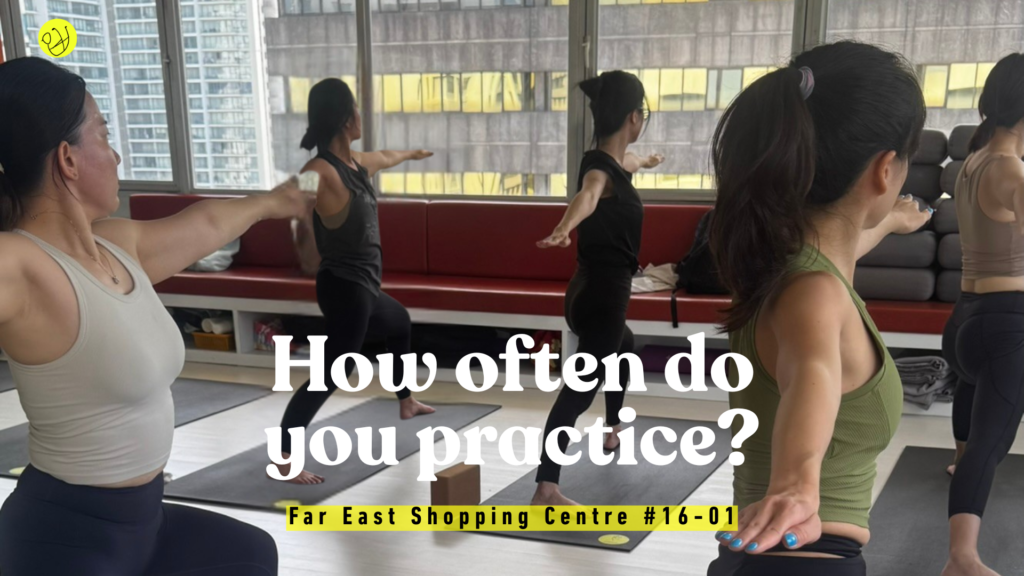
How often should I practice yoga to see real results?
The honest answer is not about intensity, flexibility, or how advanced the poses look.
It is about consistency—and understanding both its benefits and its risks when misunderstood.
Long-term yoga practice is not built through occasional bursts of motivation. It is built through steady repetition, intelligent pacing, and a clear relationship with the body over time. This is especially relevant for practitioners balancing work, family, aging joints, and mental load.
The Positive Impact of Consistent Yoga Practice
Practicing yoga once to three times per week creates measurable benefits when done regularly over months—not days.
1. Improved Mobility and Joint Health
Gentle, repeated movement keeps joints nourished and responsive. Consistent practice supports joint range without forcing flexibility, reducing stiffness and long-term wear.
2. Sustainable Strength and Stability
Rather than chasing peak performance, regular yoga builds functional strength—especially in the legs, feet, hips, and spine. This kind of strength supports daily movement and prevents injuries.
3. Nervous System Regulation
Weekly practice improves breath awareness and stress response. Over time, this helps practitioners feel calmer, more focused, and less reactive—on and off the mat.
4. Better Body Awareness
Consistency sharpens proprioception. You begin to recognize early signs of fatigue, imbalance, or tension before they turn into pain or injury.
The Negative Impact of Inconsistent or Misguided Practice
While yoga is beneficial, how you practice matters as much as how often.
1. Overtraining Through Intensity
Practicing too intensely without adequate recovery can strain joints, overload the nervous system, and lead to chronic fatigue. Yoga should support longevity—not exhaust the body.
2. Inconsistency Slows Progress
Practicing sporadically makes it difficult for the body to adapt. Without repetition, strength and mobility gains reset frequently, leading to frustration and plateaus.
3. Chasing Poses Instead of Process
When progress is measured only by achieving advanced poses, practitioners often bypass foundational work. This increases injury risk and disconnects practice from real-life function.
4. Listening Without Awareness
“Listen to your body” works only when awareness is developed. Without guidance, this phrase can lead to avoidance or overprotection rather than intelligent progression.
What Actually Works Long Term
For most practitioners, especially those aged 35 and above, the most effective approach is:
- 1–3 classes per week
- Clear class structure and skilled instruction
- A balance between strength, mobility, and recovery
- Enough repetition to build confidence without burnout
Progress in yoga is quiet. It shows up in how you move, breathe, recover, and respond—not in how dramatic your poses look.
Consistency as a Practice, Not a Performance
Yoga longevity is not about doing more. It is about doing enough, often enough, with clarity.
At Yogabar, classes are designed to support this philosophy—helping practitioners build a relationship with practice that lasts years, not weeks.
Consistency does not end when class finishes. It often shows up later — in how the body responds to daily movement, how tension is managed, and how recovery is supported. For some practitioners, this awareness leads naturally into more focused learning, such as back care or retreat-based immersion, where practice can be explored with greater depth and time.


